 Download App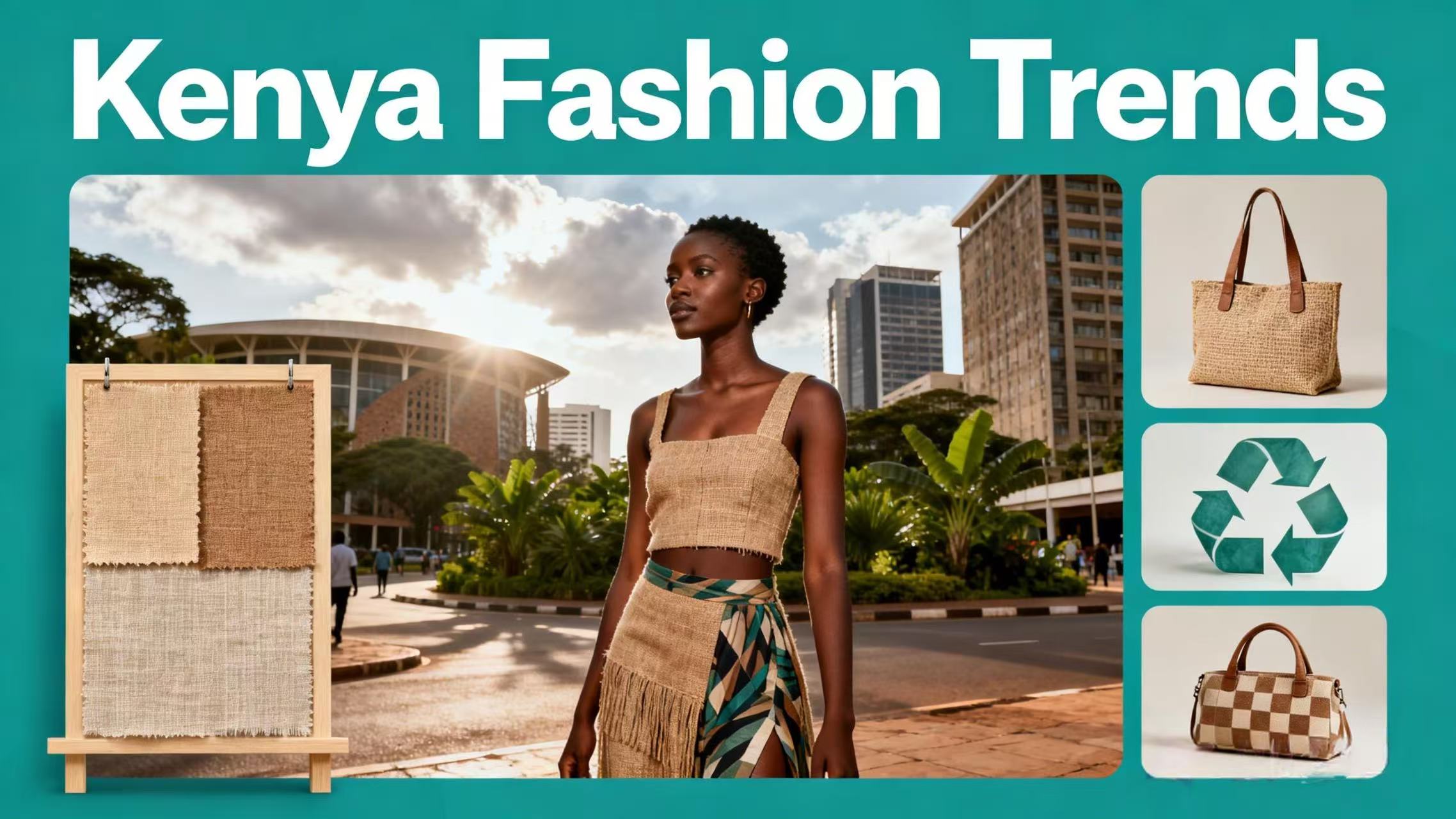
Kenya Fashion Trends 2026: Sustainable Style Takes Center Stage
Key Takeaways
• Market Growth: Kenya's fashion industry projected to grow 10.5% annually, reaching $3.5 billion by 2030
• Consumer Shift: 800,000 new middle-class Kenyans in 2025 driving demand for sustainable fashion
• Employment Impact: Textile sector directly employs 80,000+ with 250,000 indirect jobs
• Event Spotlight: Nairobi Fashion Week's "Decarbonize" theme featured 13 international designers
• Global Context: Sustainable fashion market to hit $300 billion globally by 2030
Introduction: Kenya's Fashion Transformation
Kenya's fashion scene is undergoing a remarkable evolution in 2026, shifting from traditional manufacturing to innovative sustainable design. With a growing middle class and increasing environmental awareness, Kenyan consumers are embracing fashion that combines style with responsibility. This guide explores the key trends defining Kenya's sustainable fashion movement and provides practical advice for conscious shopping.
Sustainable Fashion Becomes Mainstream
Nairobi Fashion Week's "Decarbonize" Showcase
The eighth season of Nairobi Fashion Week (January 28-31, 2026) established new standards for eco-conscious design. Under the theme "Decarbonize," the event featured 13 designers from six countries, all committed to reducing fashion's environmental impact. Runway presentations emphasized upcycled textiles, local craftsmanship, and circular design principles, positioning Nairobi as Africa's sustainable fashion hub.
According to Daniel Kempf-Seifried, official photographer for the event, "Designers demonstrated how creativity and environmental responsibility can coexist. Collections featured hand-stitched details, organic materials, and innovative approaches to textile waste reduction."
Leading Local Sustainable Brands
Several Kenyan brands are pioneering sustainable practices:
Maisha by Nisria: This label transforms discarded textiles into sophisticated pieces. Their ASILI collection features handcrafted details and natural dyes, addressing textile waste while empowering local artisans through community workshops.
Studio Lola: A women-led ethical atelier emphasizing slow fashion and fair-trade production. Their garments combine organic cottons with traditional techniques, creating timeless pieces designed for durability.
VAST: Drawing inspiration from African landscapes, VAST prioritizes small-scale production and traditional craftsmanship. Their collections celebrate handwoven fabrics and natural fibers, preserving cultural heritage while promoting sustainable consumption.
Cultural Heritage Meets Modern Design
Traditional Fabrics Reimagined
Kenyan designers are innovating with heritage materials:
Ankara Evolution: Once limited to traditional attire, Ankara prints now appear in contemporary silhouettes like tailored suits and streetwear. Designers combine bold patterns with modern cuts, making cultural expression accessible to younger audiences.
Kitenge Innovation: This traditional fabric has been elevated through architectural tailoring. Designers like John Kaveke integrate kitenge patterns into structured blazers and statement pieces, bridging heritage with global fashion sensibilities.
Beadwork Revival: Traditional beadwork techniques are being reinterpreted with sustainable materials. Designers incorporate recycled glass beads and natural embellishments, creating pieces that honor tradition while embracing eco-friendly practices.
International Recognition and Collaboration
Kenyan sustainable fashion is gaining global attention:
• Wanni Fuga from Nigeria showcased refined minimalism at Nairobi Fashion Week, demonstrating how African designers are leading the sustainable luxury movement
• Naaniya combined French and Malian traditions with eco-conscious production, highlighting cross-cultural innovation in sustainable design
• International partnerships with brands like LVMH are providing Kenyan designers with global platforms while promoting sustainable practices
According to Brian Kihindas, Creative Director of Nairobi Fashion Week, "Our 'Decarbonize' theme reflects Kenya's commitment to fashion that respects both people and the planet. International collaboration amplifies our impact and positions African sustainable design as a global force."
How to Shop Sustainable Fashion on Kilimall👈
Finding Eco-Friendly Brands
Kilimall offers a growing selection of sustainable Kenyan fashion. Here's how to shop consciously:
1. Use Sustainability Filters: Apply search filters for "organic materials," "ethically made," and "local designers" to identify brands aligned with environmental values
2. Explore Local Designer Collections: Search directly for sustainable Kenyan brands like Maisha by Nisria, Studio Lola, and VAST to access their latest eco-friendly offerings
3. Review Product Details: Check for information about material composition, production methods, and environmental certifications
Building a Conscious Wardrobe
Adopt these strategies for sustainable fashion consumption:
Invest in Quality: Choose versatile pieces from Kenyan designers that offer long-term wearability. Focus on durable materials and timeless designs rather than trend-driven purchases
Consider Seasonality: Select garments suited to Kenya's climate. Natural fibers like organic cotton and linen provide comfort while minimizing environmental impact
Mix and Match: Integrate sustainable pieces with your existing wardrobe. A handcrafted kitenge blazer or upcycled Ankara dress can complement multiple outfits
For example, when shopping on Kilimall, look for sustainable fashion collections that combine traditional craftsmanship with contemporary style. These pieces offer both cultural authenticity and environmental responsibility, allowing you to dress well while supporting Kenya's sustainable fashion movement.
The Future of Sustainable Fashion in Kenya
Government Support and Economic Opportunities
Kenya's 2030 Fashion Industry Development Plan aims to invest $500 million in sector growth, focusing on:
• Sustainable production infrastructure to support eco-friendly manufacturing
• Designer development programs promoting ethical practices
• International market access through trade agreements like the EU-Kenya Economic Partnership Agreement
According to Trade Cabinet Secretary Lee Kinyanjui, "Sustainable fashion represents a significant opportunity for economic growth and job creation. We're committed to positioning Kenya as Africa's leader in responsible fashion design."
Environmental Leadership and Innovation
Kenya is advancing circular fashion through:
• Textile recycling initiatives aiming to process 50% of discarded clothing by 2030
• Water conservation technologies reducing consumption in manufacturing
• Carbon-neutral production through renewable energy adoption
As Lucy Rao of Rialto Fashion explains, "Sustainable fashion isn't just about environmental protection—it's about creating a fashion industry that benefits communities while respecting planetary boundaries."
Conclusion: Embracing Sustainable Style
Kenya's fashion transformation in 2026 represents a shift toward conscious consumption, cultural celebration, and environmental stewardship. From Nairobi Fashion Week runways to Kilimall's digital marketplace👈, sustainable fashion is redefining Kenyan style.
By supporting local sustainable brands, shopping thoughtfully, and embracing fashion that tells meaningful stories, Kenyans can participate in a style revolution that looks good, feels good, and does good. Kenya's sustainable fashion journey is just beginning, but with its unique blend of cultural heritage, artisanal skill, and innovative spirit, the country is poised to lead Africa's sustainable style future—one responsible garment at a time.
Top

Great Value
We offer competitive prices on our 10 million plus product range.

Worldwide Delivery
We offer competitive prices on our 10 million plus product range.

Safe Payment
Pay with the world’s most popular and secure payment methods.

Shop with Confidence
Our Buyer Protection covers your purchase from click to delivery.

24/7 Help Center
Round-the-clock assistance for a smooth shopping experience.

Shop On-The-Go
Download the app and get the world of Kilimall at your fingertips.
Kilimall - Online Shopping in Kenya
Kilimall is Kenya's leading online shopping mall. It was launched in June 2014 with the mission of "Enriching Lives for Africa".
Kilimall serves a retail-customer base that continues to grow exponentially, offering products that span various categories including Electronics such as smart phones, laptops, subwoofer etc, Clothing, Home Appliances, Fashion bag, Baby Products, makeup and much more. Kilimall continues to expand the mall, with the scope of offerings that will increase in variety, simplicity and convenience.
The range of services are designed to ensure optimum levels of convenience and customer satisfaction with the retail process; order delivery-tracking, dedicated customer service support and many other premium services. The company is highly customer-centric and are committed towards finding innovative ways of improving the customers' shopping experience.
Now, shopping with Kilimall App will bring you millions of cash rewards, best customer services, and track your order at anytime. Download Kilimall App APK and enjoy best service online in Kenya.