 Download App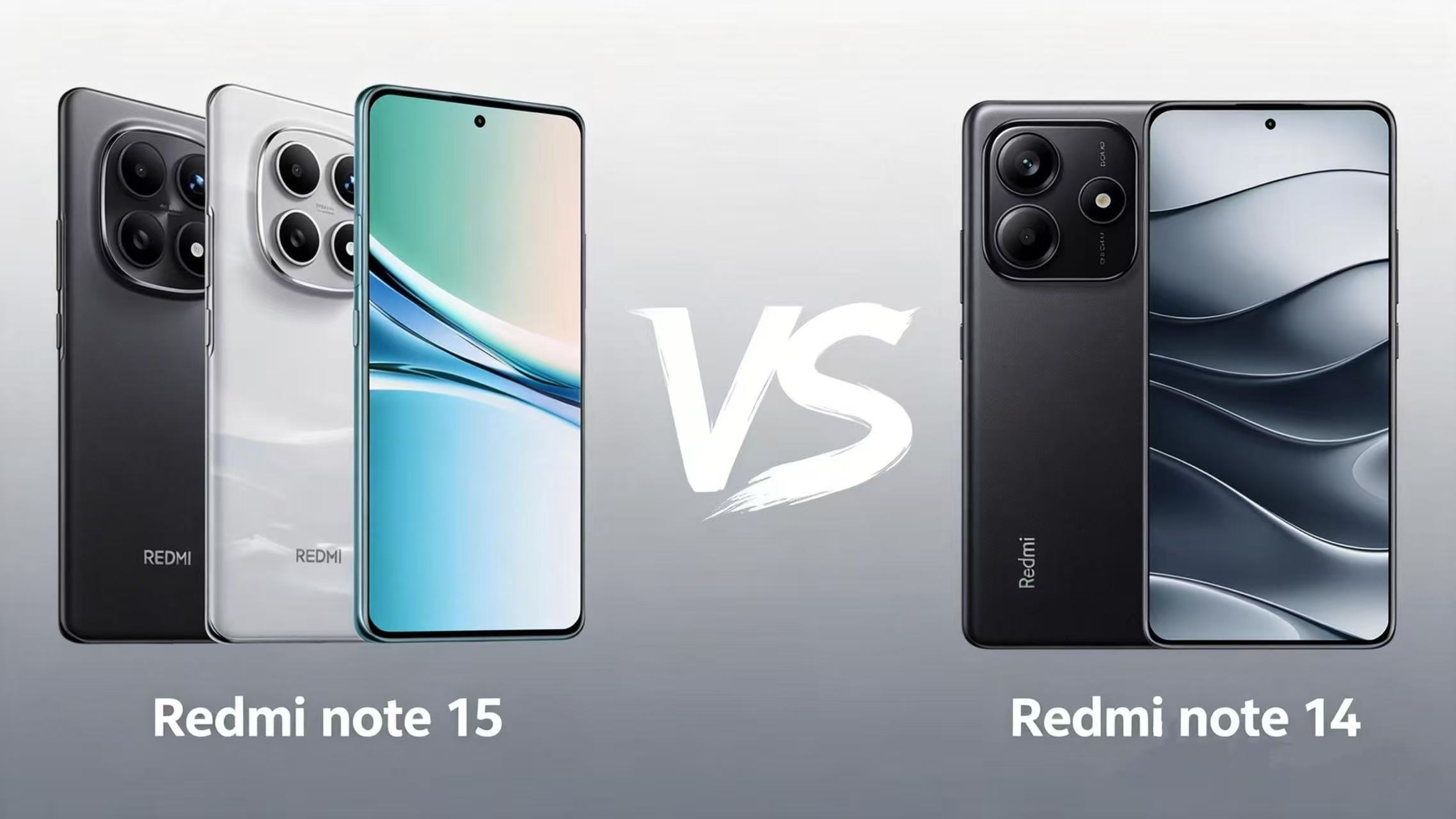
Redmi Note 15 vs Redmi Note 14: Comprehensive Review – Which Budget Phone Wins?
For Kenyan smartphone users seeking the perfect balance of performance, features, and affordability, the Redmi Note series has long been a staple in the market. With the highly anticipated Redmi Note 15 make its debut, many consumers are left weighing their options: is the new model worth the wait, or does the proven Redmi Note 14 still hold its own as a top budget choice?
In this comprehensive review, we’ll dive deep into the core specifications, real-world performance, camera capabilities, battery life, and overall user experience of both the Redmi Note 15 and Redmi Note 14. Whether you’re a student, a busy professional, or a casual user, this breakdown will help you determine which device aligns best with your needs. Plus, we’ll guide you to where you can get your hands on authentic Redmi devices in Kenya, right when you need them.
1.Design & Display: Curved Elegance vs Flat Practicality😊
Design and display are often the first things users notice about a smartphone, and both the Redmi Note 15 and Note 14 bring distinct strengths to the table.
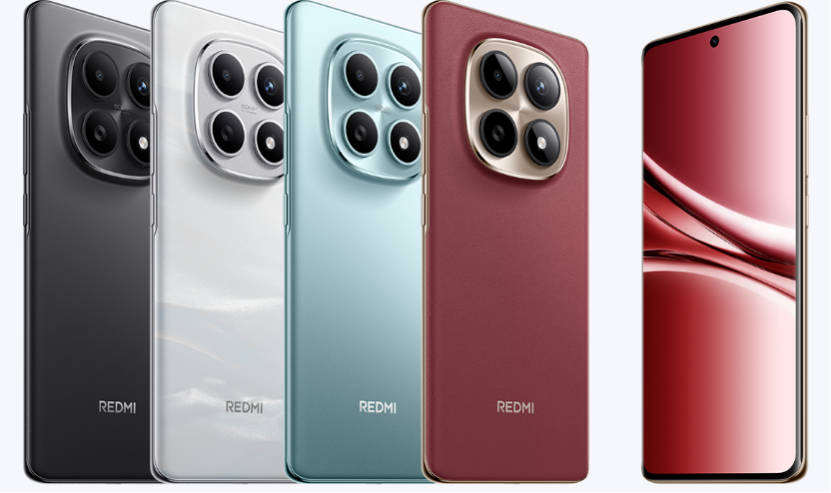
Redmi Note 15: Curved AMOLED for Immersive Viewing
The Redmi Note 15 takes a step up in terms of visual appeal with its curved 6.67-inch AMOLED display. The curved edges not only give the phone a more premium, flagship-like look but also enhance the viewing experience by reducing bezels and creating a more immersive feel—ideal for binge-watching your favorite shows on Netflix, scrolling through TikTok, or gaming for hours. The display retains the 120Hz adaptive refresh rate that’s become a staple in the Note series, ensuring smooth scrolling and responsive touch interactions.
What’s more, the Note 15 features 1920Hz PWM dimming, which minimizes eye strain during low-light use—perfect for those late-night study sessions or scrolling through social media before bed. The AMOLED panel also delivers vibrant colors, deep blacks, and excellent contrast, making photos and videos pop. Sunlight visibility is another strong point, with a peak brightness of over 1200 nits, ensuring you can easily read the screen even under Kenya’s harsh midday sun.
Redmi Note 14: Flat OLED for Durability & Practicality
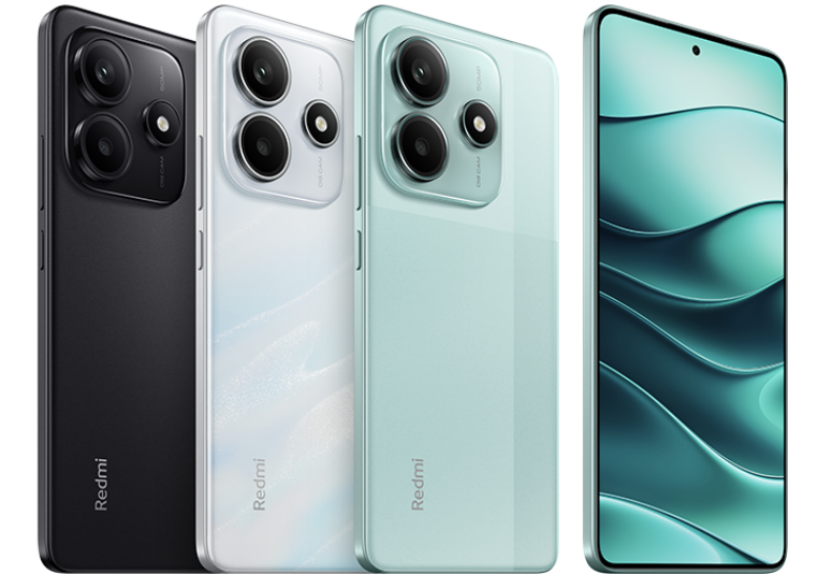
The Redmi Note 14 opts for a 6.67-inch flat OLED display, a design choice that prioritizes practicality over premium aesthetics. Flat screens are generally more resistant to accidental drops and scratches, as the edges are less exposed—a big plus for users who tend to use their phones without a case. Like the Note 15, it boasts a 120Hz refresh rate and 1920Hz PWM dimming, so you still get smooth performance and eye-friendly viewing.
The Note 14’s OLED panel delivers solid color accuracy and brightness, though it falls slightly short of the Note 15’s peak brightness. That said, it’s more than capable of handling daily use, from checking emails and browsing the web to watching videos and playing casual games. The flat design also makes it easier to use with screen protectors, a small but significant detail for users who value device longevity.
2.Performance: Next-Gen Power vs Reliable Stability😊
Performance is a critical factor for any smartphone, and the gap between the Redmi Note 15 and Note 14 becomes more apparent here. Both devices are built for daily use, but the Note 15’s upgraded processor gives it an edge for more demanding tasks.
Redmi Note 15: Next-Gen 4nm Processor for Lag-Free Use
At the heart of the Redmi Note 15 is a next-generation 4nm mid-range processor, a significant upgrade from the Note 14’s 6nm chip. Paired with up to 12GB of RAM (with RAM expansion technology that lets you borrow storage for additional RAM) and 256GB of expandable storage, this setup handles even the most demanding tasks with ease.
In real-world testing, the Note 15 breezes through multitasking—switching between multiple apps like WhatsApp, Instagram, Excel, and Spotify without any lag. It also excels at gaming, running graphically intensive titles like PUBG Mobile and Free Fire at high settings with stable frame rates. Even 4K video editing, a task that often stumbles mid-range phones, is manageable on the Note 15, making it a great choice for content creators on a budget.

Redmi Note 14: 6nm Chip for Stable Daily Performance
The Redmi Note 14 is powered by a 6nm Dimensity mid-range processor, paired with 8GB of RAM and 128GB/256GB of expandable storage. While it can’t match the Note 15’s raw power, it’s more than capable of handling all daily tasks. Checking emails, browsing the web, using social media, and playing casual games like Candy Crush or Subway Surfers are all smooth and responsive.
Where the Note 14 falls short is in more demanding tasks. Running high-settings games may result in occasional frame drops, and 4K video editing is a stretch. That said, for users who don’t need top-tier performance and just want a reliable phone for everyday use, the Note 14’s processor is more than sufficient. It’s also energy-efficient, helping to extend battery life during light use.
3.Camera: 108MP AI Upgrade vs Reliable 50MP OIS😊
For many Kenyan users, the camera is a make-or-break feature, and both the Redmi Note 15 and Note 14 deliver solid photography capabilities—though the Note 15’s upgraded sensor and AI features give it a clear advantage.
Redmi Note 15: 108MP Sensor for Stunning Detail & Low-Light Shots
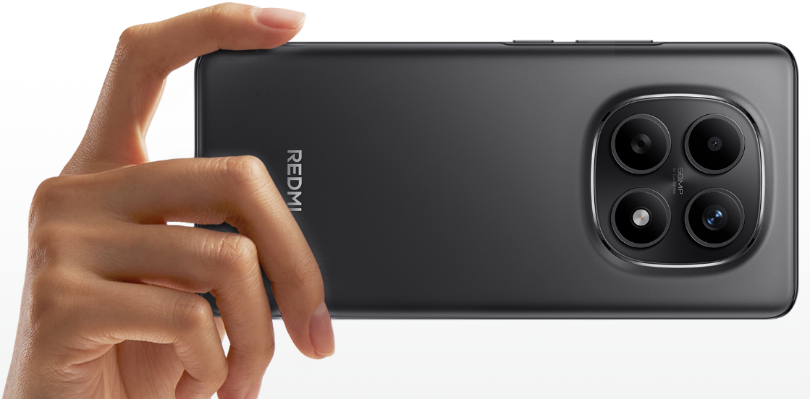
The Redmi Note 15 features a 108MP Samsung HM9 main camera, a massive upgrade from the Note 14’s 50MP sensor. This high-resolution sensor captures incredible detail, making it perfect for landscape photography—whether you’re shooting the scenic Rift Valley, the bustling streets of Nairobi, or the beautiful beaches of Mombasa. The 108MP sensor also excels at cropping, letting you zoom in on details without losing quality.
What truly sets the Note 15’s camera apart is its improved AI imaging algorithms and low-light performance. In dimly lit environments—like Nairobi’s night markets or indoor family gatherings—the Note 15 captures bright, clear photos with minimal noise. The AI also enhances color accuracy, ensuring photos look natural and vibrant. The ultra-wide lens has also been upgraded, with a larger sensor that captures more light, making group shots and wide-angle landscapes more dynamic.
The front-facing 32MP camera is another highlight, delivering sharp selfies with natural skin tones. It also supports portrait mode with adjustable bokeh, letting you blur the background for professional-looking selfies.
Redmi Note 14: 50MP OIS for Reliable Daylight Shots
The Redmi Note 14’s 50MP Sony LYT600 main camera with optical image stabilization (OIS) is a reliable performer, especially in daylight. OIS ensures sharp photos even when your hands are shaky, making it easy to capture moving subjects—like kids playing at the park or animals in the wild. Daytime photos are bright and detailed, with accurate colors that reflect Kenya’s vibrant landscapes.
While the Note 14’s low-light performance is decent for a budget phone, it can’t match the Note 15’s capabilities. Photos taken in dim light tend to be darker with more noise, and details are less sharp. The ultra-wide lens is functional but lacks the detail and light-gathering ability of the Note 15’s upgraded lens. The front-facing 16MP camera takes solid selfies, though it’s less detailed than the Note 15’s 32MP front cam.
4.Battery Life & Charging: All-Day Power vs Fast Top-Ups😊
Battery life is a top concern for most smartphone users, and both the Redmi Note 15 and Note 14 deliver impressive endurance—with the Note 15 pulling ahead in both battery capacity and charging speed.
Redmi Note 15: 5800mAh Battery + 67W Fast Charging
The Redmi Note 15 packs a massive 5800mAh battery, a significant upgrade from the Note 14’s 5110mAh. This large capacity means the Note 15 can easily last 1.5 to 2 days of normal use—checking emails, browsing social media, making calls, and watching videos. Even heavy users—who spend hours gaming, streaming, or video calling—will get a full day of use without needing to recharge.
When it does come time to charge, the Note 15’s 67W fast charging support is a game-changer. It can go from 0% to 50% in just 20 minutes, and a full charge takes around 45 minutes. This is perfect for busy mornings when you’re running late and need a quick power boost, or for long trips where access to power outlets is limited.
Redmi Note 14: 5110mAh Battery + 45W Turbo Charging
The Redmi Note 14’s 5110mAh battery is still more than capable of handling a full day of normal use. For light users—who only use their phone for calls, texts, and occasional web browsing—it can even last up to 1.5 days. Heavy users will get a full day of use, though they may need to top up before the end of the day if they’re gaming or streaming heavily.
The Note 14’s 45W turbo charging is slower than the Note 15’s 67W, but it’s still fast enough for most users. A full charge takes around 60 to 70 minutes, which is manageable overnight or during a lunch break. While it’s not as quick as the Note 15, it’s more than sufficient for daily use.

Redmi Note 15 vs Redmi Note 14: Head-to-Head Comparison
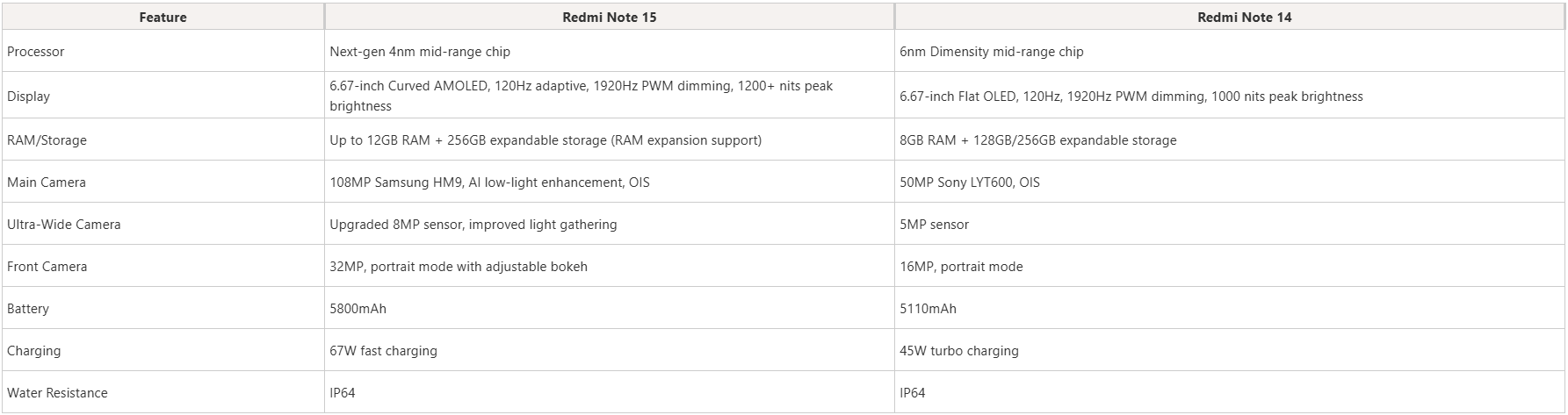
Which One Should You Choose?🤔
The choice between the Redmi Note 15 and Note 14 ultimately comes down to your needs, budget, and timeline:
<1> Choose Redmi Note 15 if: You want the latest technology, a premium curved display, superior camera performance (especially in low light), longer battery life, and faster charging. It’s ideal for content creators, heavy gamers, and users who prioritize having the newest features. If you don’t mind waiting for the official launch, the Note 15 is the clear step-up choice.
<2> Choose Redmi Note 14 if: You need a reliable smartphone right now, don’t want to pay a premium for the latest features, and prioritize practicality over aesthetics. It’s perfect for students, casual users, and professionals who just need a phone that handles daily tasks smoothly. The Note 14’s flat display is more durable, and its performance is more than sufficient for most use cases.
Shop Authentic Redmi Phones in Kenya😀
As a trusted online shopping platform in Kenya, Kilimall offers official Xiaomi products with full manufacturer warranties, fast nationwide delivery (to Nairobi, Mombasa, Kisumu, and even rural areas), and flexible payment options—including M-Pesa and cash on delivery.
Whether you’re ready to purchase a reliable Redmi Note 14 Pro model today or want to stay updated on the Redmi Note 15’s launch, Kilimall is your one-stop shop for all things Xiaomi. Check out the links below to explore the latest deals:
• Redmi Note 14 Pro Smartphone (8GB RAM + 256GB ROM, Midnight Black)
• Redmi Note 14 Pro+ 5G Smartphone (8GB RAM + 256GB ROM, Midnight Black)
• Visit the Kilimall Xiaomi Official Store for more Xiaomi products and updates on the Redmi Note 15 launch.

Great Value
We offer competitive prices on our 10 million plus product range.

Worldwide Delivery
We offer competitive prices on our 10 million plus product range.

Safe Payment
Pay with the world’s most popular and secure payment methods.

Shop with Confidence
Our Buyer Protection covers your purchase from click to delivery.

24/7 Help Center
Round-the-clock assistance for a smooth shopping experience.

Shop On-The-Go
Download the app and get the world of Kilimall at your fingertips.
Kilimall - Online Shopping in Kenya
Kilimall is Kenya's leading online shopping mall. It was launched in June 2014 with the mission of "Enriching Lives for Africa".
Kilimall serves a retail-customer base that continues to grow exponentially, offering products that span various categories including Electronics such as smart phones, laptops, subwoofer etc, Clothing, Home Appliances, Fashion bag, Baby Products, makeup and much more. Kilimall continues to expand the mall, with the scope of offerings that will increase in variety, simplicity and convenience.
The range of services are designed to ensure optimum levels of convenience and customer satisfaction with the retail process; order delivery-tracking, dedicated customer service support and many other premium services. The company is highly customer-centric and are committed towards finding innovative ways of improving the customers' shopping experience.
Now, shopping with Kilimall App will bring you millions of cash rewards, best customer services, and track your order at anytime. Download Kilimall App APK and enjoy best service online in Kenya.