 Download App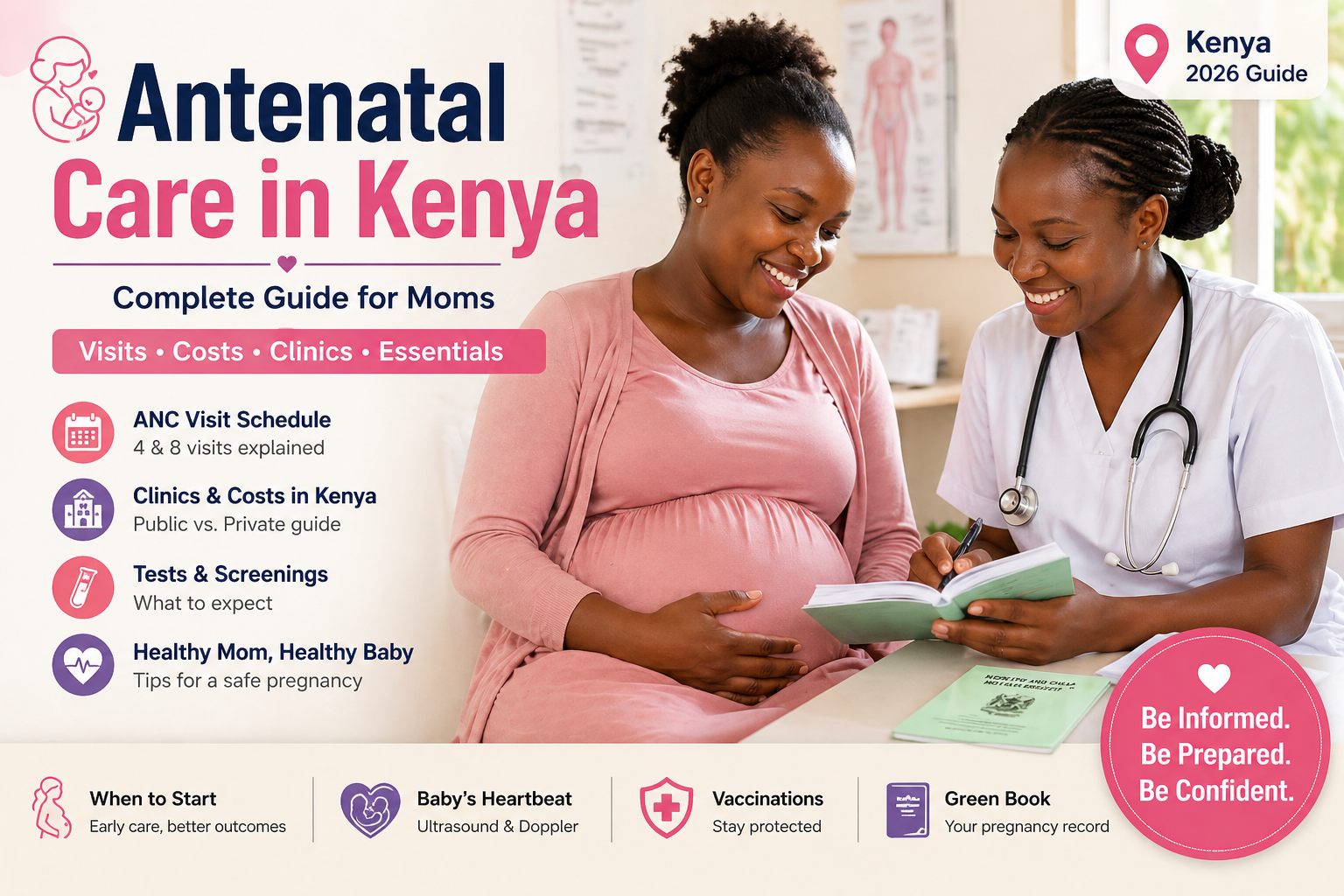
🩺 Antenatal Care in Kenya (2026 Guide): Visits Schedule, Costs, Clinics & Fetal Doppler Explained
If you're looking for antenatal care in Kenya, this complete guide explains everything you need to know—from ANC visit schedules and clinic costs to essential tests and tools like fetal dopplers.
Many first-time moms often ask questions like when to start antenatal care or what happens at an antenatal clinic. This guide provides clear answers to help you feel confident and prepared throughout your pregnancy journey. 🇰🇪
1.📘 What Is Antenatal Care (ANC)?
Antenatal care (ANC)—also called prenatal care—refers to the regular medical checkups, screenings, and support a pregnant woman receives before delivery.
👉 If you're asking:
“what is antenatal clinic?”
It is simply a hospital or health center where pregnant women receive ANC services.
⭐ List 5 Importance of Antenatal Care
Many users search “list 5 importance of antenatal care”, here’s a clear answer:
1.Early detection of pregnancy complications
2.Monitoring baby’s growth and development
3.Preventing diseases like anemia, malaria, and infections
4.Providing vaccinations (e.g. tetanus)
5.Educating mothers on nutrition and safe delivery
In Kenya, improving antenatal care attendance is key to reducing maternal and newborn risks.
2.⏰ When Is the Right Month to Start Antenatal?
If you're searching:
“when to start antenatal drugs”
“when is the right month to start antenatal”
👉 Answer:
You should start ANC as soon as you know you're pregnant, ideally before 12 weeks.
3.🏥 What Happens at Your First ANC Visit?
Your first visit is very important. At most Kenyan clinics, you will:
➤Check weight, height & blood pressure
➤Do urine tests (infection, sugar, protein)
➤Take blood tests:HIV, Syphilis, Blood group, Hemoglobin (anemia)
➤Review your medical history
You’ll also get advice on:
Nutrition , Iron & folic acid supplements , Pregnancy warning signs
4.📅 How many ANC visits are required in Kenya?
Understanding the antenatal care visit schedule in Kenya helps you plan your pregnancy and avoid missing important checkups.
According to the World Health Organization, the 8 antenatal care visits schedule is recommended:
✅ 8 Antenatal Care Visits Schedule
•Before 12 weeks
•20, 26, 30 weeks
•34, 36, 38, 40 weeks
⚠️ 4 Antenatal Care Visits Schedule (still common in Kenya)
Many clinics still follow focused antenatal care Kenya (FANC):
•12 weeks
•26 weeks
•32 weeks
•36–38 weeks
5.🖥️ Do You Really Need an Ultrasound Scan?
Yes—ultrasound scans are highly recommended in Kenya.
Key scans include:
Early scan (6–12 weeks)
Anomaly scan (18–22 weeks) to detect birth defects
👉Even if resources are limited, try to get at least one scan.
☢️ Is Ultrasound Safe for the Baby?
Yes. Ultrasound uses sound waves, not radiation, and is safe when performed by trained professionals.
6.❤️ When Can You Hear Your Baby’s Heartbeat?
Ultrasound: 6–8 weeks
Doppler device: 10–12 weeks
Don’t panic if you can’t hear it early—timing matters.
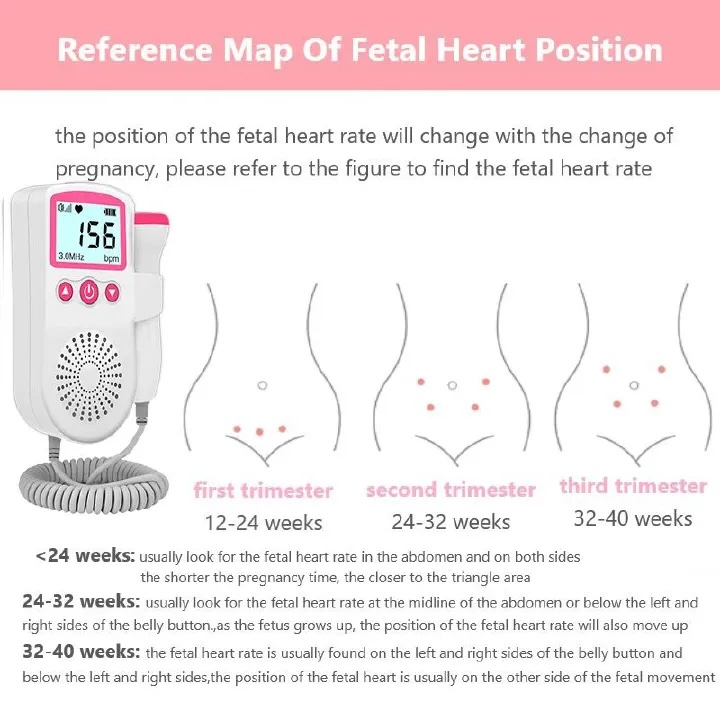
👉 Some moms choose a home fetal Doppler for reassurance (use with guidance).
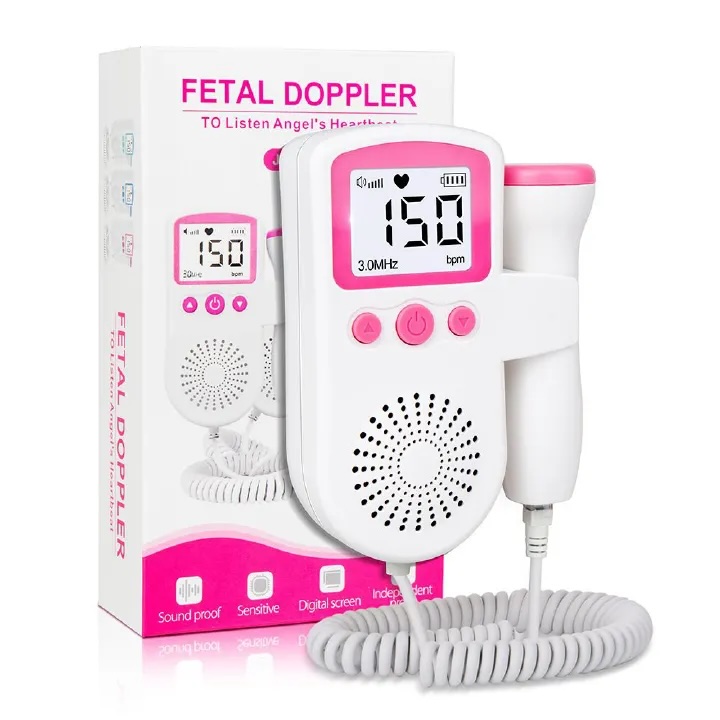
🛒 Recommended: Home Fetal Doppler for Easy Monitoring
💡 Many Kenyan moms choose to use a home fetal doppler between clinic visits for extra reassurance.
👉 You can check a popular option here:
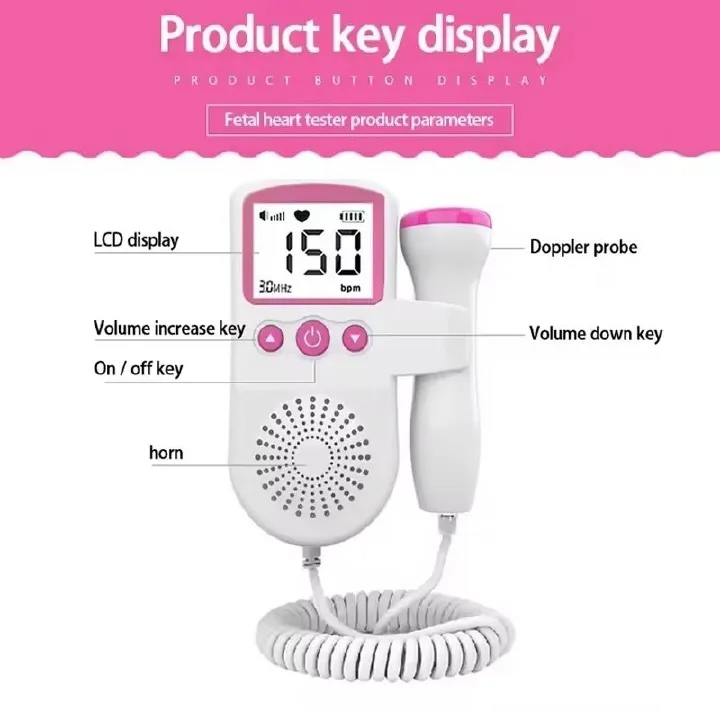
Household Fetal Doppler Ultrasound Baby Heartbeat Pocket Prenatal Detector
🔍 Key Features & Selling Points
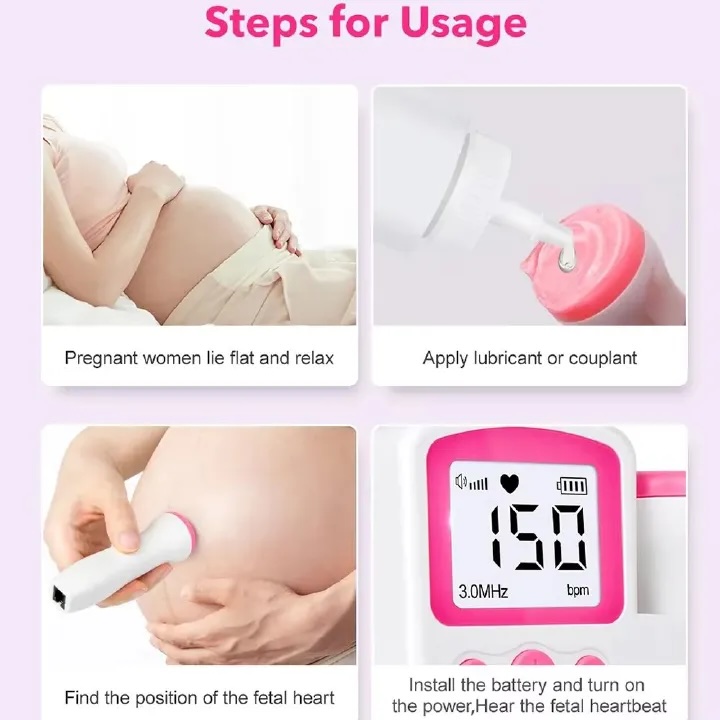
💓 Real-time heartbeat detection – hear your baby’s heartbeat at home
📟 Portable & lightweight – easy to carry and use anywhere
🔊 Clear sound output – high-sensitivity probe for better accuracy
🔋 Low power consumption – long battery life
👩⚕️ User-friendly design – suitable for
first-time moms
💡 Perfect for:
∙First-time moms needing reassurance
∙Between clinic visits
∙Families wanting to bond with baby early
⚠️ Note: This is for home monitoring only, not a replacement for hospital checkups.
7.💰 Public vs Private Hospitals in Kenya: Which Should You Choose?
You can choose between public and private care:
Public Hospitals
Examples: Kenyatta National Hospital, Pumwani Maternity Hospital
・Covered by National Hospital Insurance Fund
・Lower cost or free
・Longer waiting times
Private Hospitals
・Faster service, more comfort
・Delivery cost: KES 40,000–150,000+
👉 Must-have: Prepare your hospital bag in advance with baby essentials, diapers, and maternity items.
8.📗 What Is the “Green Book” in Kenya?
The Mother & Child Health Booklet (Green Book) is extremely important.
It records:
✓Your ANC visits
✓Test results
✓Delivery details
✓Baby vaccination schedule
⚠️ Always bring it to every clinic visit and delivery.
👉 Smart tip: Use a document organizer or baby keepsake folder to keep it safe.
9.🧬 Should You Do Down Syndrome Screening?
Screening is optional but recommended, especially if:
1️⃣ You are over 35
2️⃣ You want early reassurance
Usually done at 11–13 weeks.
Availability in Kenya depends on the hospital and budget.
10.🧃 What Is the Sugar Water Test (OGTT)?
The Oral Glucose Tolerance Test (OGTT) checks for gestational diabetes.
・Done at 24–28 weeks
・Involves drinking glucose and testing blood sugar
Important if you:
➢ Are overweight
➢ Have family history of diabetes
👉 Helpful products:
Choose low-sugar snacks and a healthy pregnancy diet plan to manage blood sugar.
11.💉 Is the Tetanus Injection Mandatory in Kenya?
Yes. Tetanus vaccination is part of routine ANC care in Kenya.
It protects:
🤰The mother
👶The newborn from neonatal tetanus
🧠 Final Thoughts on Antenatal Care in Kenya
Antenatal care in Kenya plays a vital role in ensuring a healthy pregnancy and safe delivery. By attending regular ANC visits, choosing the right clinic, and understanding key tests and schedules, you can reduce risks and feel more confident throughout your journey.
Whether you follow the 4-visit or 8-visit schedule, starting early and staying consistent is the most important step for both mother and baby.

Great Value
We offer competitive prices on our 10 million plus product range.

Worldwide Delivery
We offer competitive prices on our 10 million plus product range.

Safe Payment
Pay with the world’s most popular and secure payment methods.

Shop with Confidence
Our Buyer Protection covers your purchase from click to delivery.

24/7 Help Center
Round-the-clock assistance for a smooth shopping experience.

Shop On-The-Go
Download the app and get the world of Kilimall at your fingertips.
Kilimall - Online Shopping in Kenya
Kilimall is Kenya's leading online shopping mall. It was launched in June 2014 with the mission of "Enriching Lives for Africa".
Kilimall serves a retail-customer base that continues to grow exponentially, offering products that span various categories including Electronics such as smart phones, laptops, subwoofer etc, Clothing, Home Appliances, Fashion bag, Baby Products, makeup and much more. Kilimall continues to expand the mall, with the scope of offerings that will increase in variety, simplicity and convenience.
The range of services are designed to ensure optimum levels of convenience and customer satisfaction with the retail process; order delivery-tracking, dedicated customer service support and many other premium services. The company is highly customer-centric and are committed towards finding innovative ways of improving the customers' shopping experience.
Now, shopping with Kilimall App will bring you millions of cash rewards, best customer services, and track your order at anytime. Download Kilimall App APK and enjoy best service online in Kenya.