 Download App
Pregnancy Body Changes in Kenya
10 Common Symptoms Every Mom Should Know 🤰🇰🇪
Pregnancy brings many physical and emotional changes — some exciting, some confusing, and some uncomfortable. From stretch marks and baby kicks to pelvic pain and pregnancy skin changes, many Kenya moms often wonder: “Is this normal during pregnancy?”
The good news is that most pregnancy symptoms are completely normal and happen because your body is working hard to support your growing baby 👶💕
Whether you're in your first, second, or third trimester, understanding these changes can help you feel less anxious and more prepared. In this guide, we answer some of the most searched questions about maternity care in Kenya, pregnancy symptoms in second trimester, baby movement during pregnancy, and third trimester discomfort.
1. When Will My Belly Start to Show? 🤱
Understanding Baby Bump Growth During Pregnancy
Most women begin to show between 12–20 weeks of pregnancy, although the timing can vary from person to person. Some first-time moms may not notice a visible baby bump until later, while second-time mothers often show earlier because the abdominal muscles have stretched before.
Your body shape, muscle tone, weight gain, and whether you're carrying twins can also affect when your belly becomes noticeable. Many pregnant women in Kenya worry when they don’t “look pregnant” early enough, but a smaller bump does not always mean there is a problem 🌸
As the uterus grows, you may also notice tighter clothes, stretching skin, and mild lower back discomfort. This is one of the most common normal pregnancy symptoms during the second trimester.
Wearing comfortable maternity clothes or stretchy leggings can make daily movement easier and help you feel more comfortable as your body changes.
2. Can I Prevent Stretch Marks During Pregnancy? ✨
Pregnancy Skin Changes and Stretch Marks
Stretch marks are one of the most common pregnancy skin changes, especially on the belly, hips, thighs, and breasts. They happen as the skin stretches quickly during pregnancy and are strongly influenced by genetics and skin type.
Although no cream or oil can completely prevent stretch marks, keeping the skin moisturized may help reduce dryness, itching, and skin tightness. Many Kenya moms use shea butter, pregnancy oils, or stretch mark creams as part of their daily skincare routine 🌿
Many pregnant moms in Kenya also use nourishing body oils during pregnancy to help keep the skin soft, hydrated, and more comfortable as the belly grows.
Nice & Lovely Flawless Bio-Body Oil For Stretch Marks🧴
If your skin feels dry, itchy, or tight during pregnancy, the Nice & Lovely Flawless Bio-Body Oil can help provide daily moisture and comfort for stretch mark-prone areas like the belly, hips, thighs, and breasts.
Made with a blend of 4 natural oils — sweet almond oil, apricot oil, avocado oil, and sunflower oil — this lightweight body oil helps soften and smooth the skin without leaving a greasy feeling.
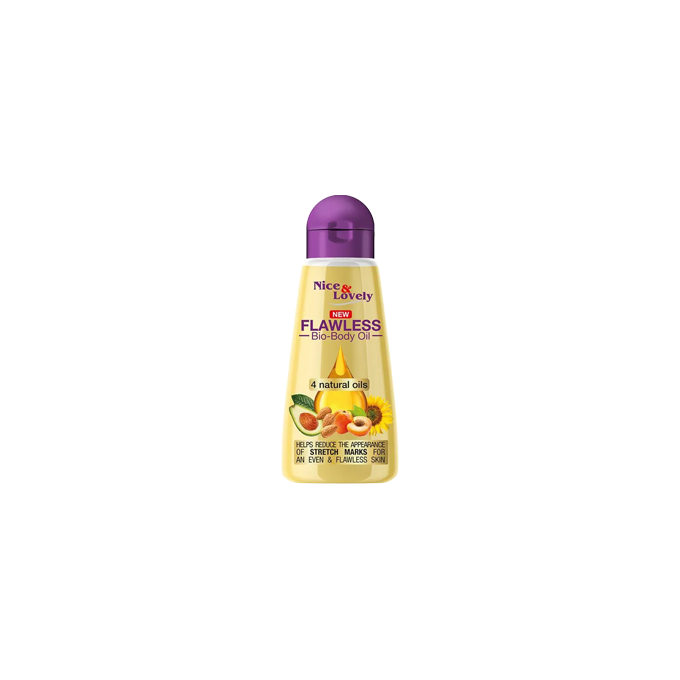
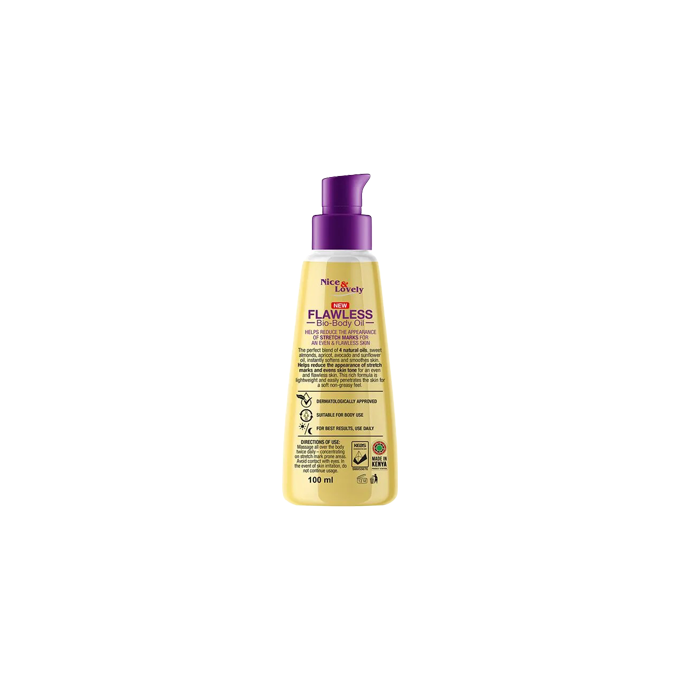
Keep your skin soft, hydrated, and comfortable during pregnancy
👉shop the Nice & Lovely Bio-Body Oil here 🌿
✨ Highlights:
1.Contains 4 natural nourishing oils
2.Helps soften dry, stretching skin
3.Lightweight, non-greasy formula
4.Suitable for daily body care during pregnancy
For best results, gently massage onto the belly and other stretch mark-prone areas twice daily.
Drinking enough water, eating vitamin-rich foods, and avoiding rapid weight gain may also help support healthier skin during pregnancy. And remember — stretch marks are extremely common, so try not to be too hard on yourself 💛
3. What Is the Dark Line on My Belly (Linea Nigra)? 🌙
Understanding Hormonal Skin Changes During Pregnancy
Linea nigra is the dark vertical line that may appear down the middle of the belly during pregnancy. It develops because pregnancy hormones increase melanin production, leading to darker skin pigmentation.
This line is completely normal and is more noticeable in some women than others. You may also notice darker nipples, dark underarms, or pigmentation around the neck and inner thighs — all of which are common pregnancy skin changes.
For most women, the linea nigra gradually fades after childbirth, although it may take several months for the skin tone to fully return to normal.
Protecting your skin from too much sun exposure and using gentle skincare products may help reduce pigmentation changes during pregnancy ☀️
4. When Will I Feel My Baby Move or Kick? 👶💕
Baby Movement During Pregnancy
Most first-time moms feel baby movements between 18–22 weeks, while women who have been pregnant before may notice movement slightly earlier. Early baby kicks often feel like tiny flutters, bubbles, or butterflies in the stomach.
As your pregnancy progresses, movements become stronger and easier to recognize. Some days your baby may seem very active, while other days movements may feel softer depending on your activity level or how the baby is positioned inside the womb.
Feeling baby movement during pregnancy for the first time is one of the most emotional moments for many moms ❤️ It often brings reassurance that your baby is growing and developing well.
If you are unsure about fetal movement patterns, your ANC clinic in Kenya can help guide you on what is considered normal at different stages of pregnancy.
5. How Often Should My Baby Move? ⏰
Monitoring Baby Kicks in the Third Trimester
After around 28 weeks, many doctors recommend paying attention to your baby’s movement patterns every day. Every baby has a different routine, so there is no exact number of kicks that all babies should make.
However, you should generally feel regular movement throughout the day. Some babies are naturally more active in the evening, while others move more after meals or when the mother is resting.
Reduced fetal movement should never be ignored, especially during late pregnancy or third trimester discomfort.
Contact your healthcare provider if:
• Baby movements suddenly decrease
• Kicks feel much weaker than usual
• You notice long periods without movement
Trusting your instincts as a mother is important. If something feels unusual, it’s always okay to seek reassurance from your doctor or ANC clinic 💕
6. Why Does My Baby Seem More Active at Night? 🌙👣
Nighttime Baby Kicks and Pregnancy Sleep Changes
Many pregnant women notice stronger baby movements at night when they finally lie down to rest. During the day, walking and daily movement may gently rock the baby to sleep, making movements less noticeable.
At night, when your surroundings become quieter and your body relaxes, it becomes easier to feel every kick, turn, and stretch. Some moms also experience pregnancy insomnia because of active nighttime kicks or general third trimester discomfort.
Many pregnancy tips for first time moms recommend sleeping on the left side during late pregnancy because it may improve comfort and circulation.
Creating a relaxing bedtime routine, using supportive pillows, and reducing screen time before bed may help improve sleep quality 💤
7. Why Are My Nipples Getting Darker During Pregnancy? 🤱
Breast Changes During Pregnancy and Breastfeeding Preparation
Hormonal changes during pregnancy increase skin pigmentation, which can make the nipples and areolas appear darker than before. This is a very common pregnancy symptom and usually becomes more noticeable during the second trimester.
Some experts believe the darker color contrast may help newborn babies locate the breast more easily after birth. You may also notice your breasts becoming larger, heavier, or more sensitive as your body prepares for breastfeeding.
These breast changes are completely normal and are part of your body’s natural preparation for feeding your baby after delivery 💛
As your breasts and nipples become more sensitive during pregnancy and breastfeeding, using a gentle nipple care product may help keep the skin moisturized and comfortable.
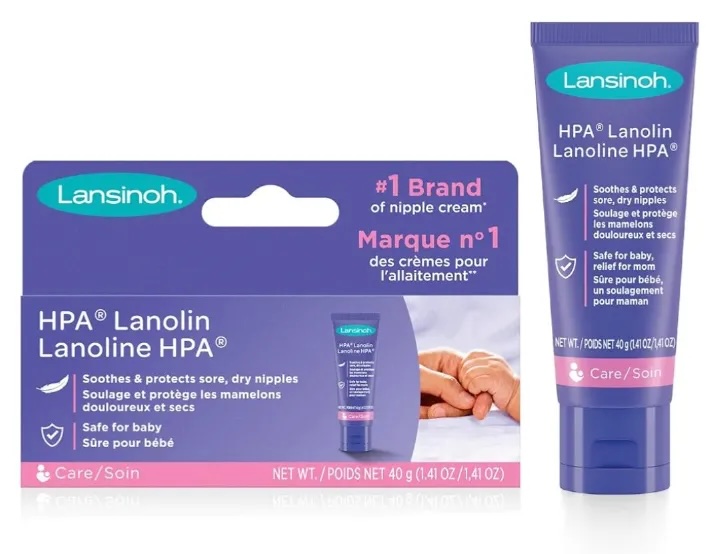
Lansinoh HPA Lanolin Nipple Cream – Breastfeeding Essential🧴
The Lansinoh HPA Lanolin Nipple Cream is specially designed to soothe and protect sore, dry nipples during pregnancy and breastfeeding.
Made with a single natural ingredient, this ultra-pure lanolin cream is safe for both mom and baby — and there’s no need to remove it before breastfeeding.

💛 Why moms love it:
• 100% natural and baby-safe
• Helps soothe sore and dry nipples
• No fragrance, parabens, or petroleum
• Hypoallergenic and dermatologically tested
Many mothers begin using nipple cream during late pregnancy to prepare for breastfeeding and help reduce nipple discomfort after delivery.
8. My Pelvic Bone Hurts During Pregnancy (SPD). What Can I Do? 🦴
Pelvic Pain and Third Trimester Discomfort
Symphysis Pubis Dysfunction (SPD), also called pelvic girdle pain, can cause discomfort in the pelvis, hips, groin, or lower back during pregnancy. This happens because pregnancy hormones loosen the joints and ligaments to prepare the body for childbirth.
The pain may feel worse when walking, climbing stairs, turning in bed, or standing on one leg. For some women, even simple daily activities can become uncomfortable during late pregnancy.
To help reduce discomfort:
► Move slowly when standing up
► Keep knees together when getting out of bed
► Sleep with a pillow between the legs
► Avoid standing for long periods
Some pregnant women in Kenya also use pregnancy support belts for extra support during daily activities.
If the pain becomes severe or affects walking, speak with your doctor, physiotherapist, or maternity care provider in Kenya.
9. Why Are My Armpits or Neck Getting Darker During Pregnancy? 🌸
Skin Pigmentation Changes During Pregnancy
Pregnancy hormones can increase melanin production, leading to darker skin in areas such as the neck, armpits, inner thighs, or under the breasts. This type of pigmentation is very common during pregnancy and affects many women.
These changes are usually harmless and often improve gradually after delivery. However, some women may continue to notice mild skin darkening for several months postpartum.
Because hormonal skin changes can affect confidence, many moms feel worried when they notice these changes for the first time. But in most cases, this is simply a temporary part of pregnancy 🌷
Using gentle skincare products and avoiding harsh bleaching creams during pregnancy is important for protecting sensitive skin.
10. My Belly Button Popped Out During Pregnancy. Is That Normal? 🤰
Belly Button Changes During Pregnancy
Yes — a popping belly button is completely normal during pregnancy. As the uterus grows and stretches the abdomen, pressure from inside can push the belly button outward.
This usually happens during the second or third trimester and is more common in women with smaller abdominal frames or multiple pregnancies.
Some women may also notice:
◆ Tight or itchy skin
◆ Belly stretching discomfort
◆ Increased skin sensitivity around the stomach
In most cases, the belly button returns to its usual shape after delivery without treatment. It may look unusual at first, but it’s simply another sign that your body is making room for your growing baby 👶
Final Thoughts for Kenya Moms ❤️
Pregnancy can bring many physical and emotional changes, but most symptoms — including stretch marks, pigmentation, baby kicks, pelvic pain, and breast changes — are completely normal parts of the pregnancy journey.
Understanding these normal pregnancy symptoms can help reduce anxiety and make each trimester feel less overwhelming. Whether you are looking for pregnancy tips for first time moms, guidance about baby movement during pregnancy, or information about maternity care in Kenya, learning what to expect can help you feel more confident and prepared.
Remember to attend your regular ANC clinic visits in Kenya (If you'd like to learn what ANC is, we've also prepared a 👉guide for your reference) , eat nutritious foods, stay hydrated, and listen to your body throughout pregnancy. And whenever something feels unusual or concerning, never hesitate to seek medical advice.
Every pregnancy journey is different, and your body is doing something incredible every single day 🌸👶

Great Value
We offer competitive prices on our 10 million plus product range.

Worldwide Delivery
We offer competitive prices on our 10 million plus product range.

Safe Payment
Pay with the world’s most popular and secure payment methods.

Shop with Confidence
Our Buyer Protection covers your purchase from click to delivery.

24/7 Help Center
Round-the-clock assistance for a smooth shopping experience.

Shop On-The-Go
Download the app and get the world of Kilimall at your fingertips.
Kilimall - Online Shopping in Kenya
Kilimall is Kenya's leading online shopping mall. It was launched in June 2014 with the mission of "Enriching Lives for Africa".
Kilimall serves a retail-customer base that continues to grow exponentially, offering products that span various categories including Electronics such as smart phones, laptops, subwoofer etc, Clothing, Home Appliances, Fashion bag, Baby Products, makeup and much more. Kilimall continues to expand the mall, with the scope of offerings that will increase in variety, simplicity and convenience.
The range of services are designed to ensure optimum levels of convenience and customer satisfaction with the retail process; order delivery-tracking, dedicated customer service support and many other premium services. The company is highly customer-centric and are committed towards finding innovative ways of improving the customers' shopping experience.
Now, shopping with Kilimall App will bring you millions of cash rewards, best customer services, and track your order at anytime. Download Kilimall App APK and enjoy best service online in Kenya.